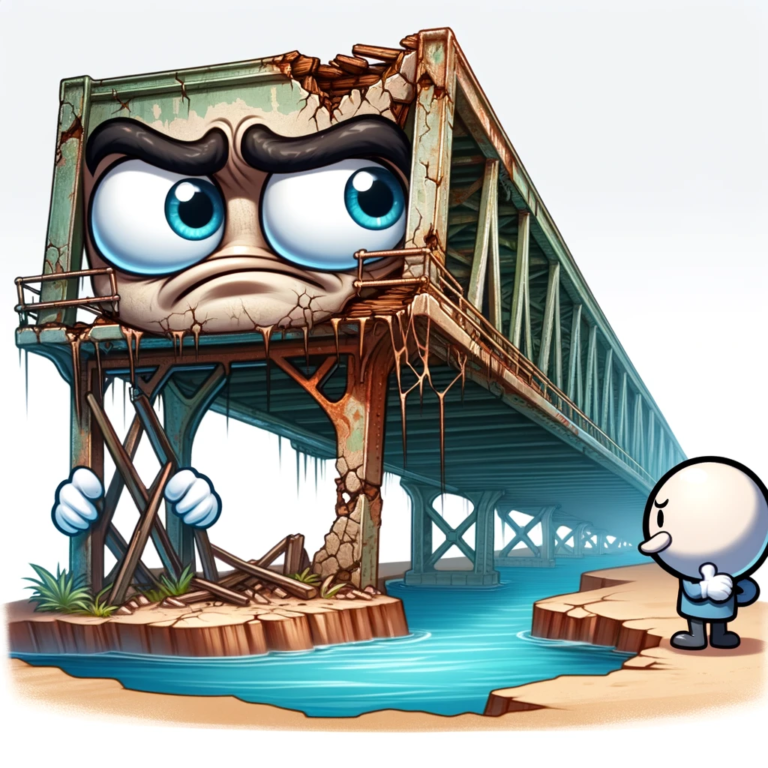

“Scope Creep”: When Your Project Balloons Out of Control
Remember when you started a simple home renovation, only to end up with a koi pond and a disco ball in the bathroom? Well, imagine that happening to a multi-million-pound infrastructure project! That, my friends, is the dreaded “scope creep”.
I, your friendly neighbourhood cost estimator, have witnessed this phenomenon more times than I care to admit. It starts innocently enough: a small change here, a “nice-to-have” feature. But before you know it, your once-streamlined project has ballooned into a Frankensteinian monster, devouring your budget and sanity in equal measure.
But here’s the (not-so-funny) truth: scope creep isn’t just an annoyance. It’s a serious problem with real consequences. According to the Standish Group, 43% of IT projects experience scope creep, leading to average cost overruns of 171%.
So, what can we do to tame the scope creep beast?
- Clear communication: Get everyone on the same page, defining project goals and limitations.
- Change management: Have a formal process for evaluating and approving changes, considering their impact on cost and schedule.
- Realistic expectations: Let’s ditch the “we can fix it in post” mentality and embrace reality-based planning.
- Data-driven decisions: Back up your estimates with hard data and historical trends, not wishful thinking.
These steps can keep our projects on track and our budgets from ballooning. Remember, a stitch in time saves nine—and millions of pounds!
Now, hit me with your best “scope creep” horror stories in the comments! What are the wildest “nice-to-have” features that have ever derailed a project?
#infrastructure #costmanagement #projectmanagement #scopecreep #linkedin